
Should You Rent or Buy a Crusher? Key Factors to Consider
The decision to purchase or rent or buy a crusher is a hefty investment with many considerations, especially for robust machinery like a crusher. Whether the crusher will be used for working in the mining, construction, or waste industries, there are many factors to consider. At this time, you may think owning a crusher enables efficient material processing but can be costly. Renting a crusher machine may have limitations, but it saves money. This in fact is not the case. In this blog, we will look at several factors, including pros & cons, project durations, cost considerations, maintenance, operational flexibility and expert advice to aid you in making your final decision—should I buy or lease a crusher?
The Role of a Crusher in Your Operations
A crusher is a powerful device that reduces large chunks of material into handy, tiny chunks. Construction, mining, and recycling industries extensively use crushers to smash raw materials efficiently. Mobile crushers are used extensively in construction, mining, and recycling operations to process raw materials economically. The need for crushers is significantly growing and is forecasted to grow by 5.1% in market size from 2025 to 2030. The market is driven primarily by the increasing demand for construction and mining activities, which require efficient materials handling and processing systems. In addition, the market for recycling crushers is expected to grow. Growing environmental awareness and stringent waste management laws are boosting the demand or recycling crushers, pushing the market growth. These key factors drive the decision to rent or buy a crusher all the more competitive.
Types of Crushers to Rent or Buy
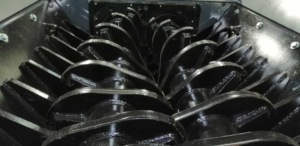
Jaw Crushers
- Ideally suitable for primary crushing, for tough and hard material.
Impact Crushers:
- Suitable for soft to medium-hard materials, generally used for recycling applications.
Cone Crushers:
- Suitable for secondary and tertiary crushing, providing fine material.
Gyratory Crushers:
- Generally used in large-scale mining applications.
Understanding your personal crushing needs will allow you to determine if you should purchase a machine or lease one. If you are unsure of what type of crusher you should select to buy or rent, visit our blog; on each type of crusher, check out our blog: The 6 Major Types of Crushers for more information.
Key Factors to Consider When Deciding to Rent or Buy a Crusher
1. Project Duration
- If your project is relatively short-term (a few months), perhaps leasing a crusher would be most appropriate.
- Longer projects (over a year) might make it worthwhile to buy a crusher to avoid renting in the long run.
2. Cost Factors
- Investment: Purchasing a crusher involves a significant initial investment, while renting amortizes the cost.
- Operational Costs: Being a crusher owner, you must include maintenance, repairs, fuel, and operator costs. Maintenance is typically part of rental agreements, which eliminates surprise costs.
3. Maintenance and Repairs
- The ownership has the drawback of regular maintenance, which is costly.
- Renting removes maintenance problems from your shoulders as it typically falls on the rent company.
- Some companies, such as Protrack, offer maintenance and repair packages with the purchase or rent of their crushers.
4. Workload and Utilization
- If your company frequently uses a crusher, then purchasing is an option.
- If the usage is seasonal or periodic, renting is flexible without the weight of a valuable asset.
5. Flexibility and Availability of Equipment
- Renting offers the flexibility of using different kinds of crushers for different projects.
- Owning limits you to one kind of crusher unless you own several machines.
Advantages and Disadvantages of Purchasing a Crusher
Advantages:
- ✅ Economical in the Long Run: If frequently used, having a crusher is economical in the long run because it saves money on rentals in the long run.
- ✅ Asset Ownership: The equipment is now your business’s asset, contributing to business value.
- ✅ Unlimited Usage: You are not tied by rental time or availability issues.
Disadvantages:
- ❌ High Initial Cost: Huge capital investment.
- ❌ Maintenance and Repairs: Entire repair and maintenance costs are your responsibility.
- ❌ Limited Flexibility: If your project changes, your equipment may not be flexible.
Advantages and Disadvantages of Renting a Crusher
Advantages:
- ✅ Reduced Upfront Cost: No massive upfront expenditure.
- ✅ Maintenance Included: Service and maintenance are normally included in rental agreements.
- ✅ Flexibility: Easy switching between various crushers based on project needs.
Disadvantages:
- ❌ Costly in the Long Run: Long-term rentals can be more expensive than purchasing.
- ❌ Limited Supply: You’re dependent on the rental firm’s availability and stock.
- ❌ No Asset Build-Up: Renting does not contribute to company assets or equity.
When to Buy a Crusher?
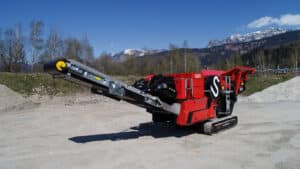
You should purchase a crusher instead of renting if:
- You have continuous crushing projects with large material volumes.
- You want to reduce long-term operation costs.
- Your company has the capital to invest in machinery.
- You prefer to have full control of your equipment without rental restrictions.
When to Rent a Crusher?
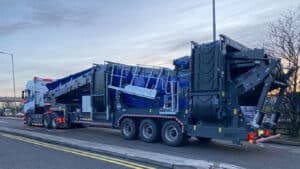
Renting is a better choice than buying if:
- Your project is short-term or temporary.
- You have various crushers to apply on various projects.
- Your company is looking to save capital for future investment.
- Convenience in terms of bundled maintenance resonates with you.
Other Costs to Consider When Renting or Buying a Crusher
Whether you purchase or rent, there are some hidden costs you might want to consider:
- Transportation Fees: Moving the crusher to and from sites may be costly.
- Permit and Licenses Charges: Compliance with local regulations may mean permits.
- Operator Training: Your operators will need training to operate the crusher properly.
Companies such as Protrack strive to include training in partnerships.
Professional Tips to Aid in the Decision to Rent or Buy a Crusher
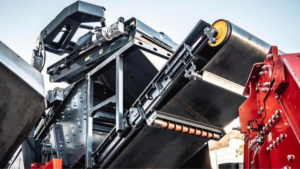
- Examine Your Business Model: Define your chain of projects and how often you need a crusher.
- Calculate Total Cost of Ownership (TCO): Include purchase cost, maintenance, fuel, and operating costs.
- Compare Rental vs. Purchase Quotes: Ask crusher suppliers for detailed breakdowns of costs.
- Evaluate Resale Value: During a purchase, consider the depreciation and resale value of the machine.
- Negotiate Rental Terms: When renting or buying a crusher, there is room for negotiation. Don’t just think price, bargain on delivery terms and maintenance offers.
- Contact a Professional: Contact Protrack to speak with a heavy equipment specialist to understand your needs better.
Last Word: Does Renting or Buying a Crusher Works Best for Your Business? Renting or Buying a Crusher?
Investing in a crusher is a major decision for construction, mining, and recycling businesses. However, the next critical step is optimizing its usage beyond buying or renting a crusher. Feel free to contact us today to discuss what is best for you.
ProTrack is a state-of-the-art equipment tracking and management solution designed to enhance heavy equipment’s productivity, efficiency, and lifespan. With ProTrack on your crusher, you enjoy more detailed performance data, usage patterns, and maintenance needs.
How ProTrack Enhances Crusher Operations
Real-Time Performance Monitoring
You can monitor your crusher’s operation in real-time with ProTrack, monitoring key metrics like throughput, energy consumption, and downtime. You can then optimize performance and catch inefficiencies early.
Predictive Maintenance Alerts
Due to high wear and tear, crushers are prone to frequent breakdowns, hence the need for regular maintenance. ProTrack provides predictive maintenance alerts, alerting you before a breakdown occurs. This reduces unplanned downtime and costly repairs.
Usage Optimization
When leasing a crusher, ProTrack guarantees you are making the most out of it. Using workload trends for analysis will enable you to make an informed decision on whether leasing is still feasible or if purchasing is where you should head.
Monitoring Fuel and Energy Efficiency
Crushers are power-consuming. ProTrack enables firms to monitor fuel consumption and optimize efficiency, reducing the operation cost and enhancing sustainability.
Fleet Management Integration
ProTrack allows seamless integration into a centralized fleet management system if you have multiple heavy equipment. You can track multiple machines, schedule maintenance, and monitor work locations more effectively.
Final Thought: The Smart Way to Keep Your Crusher Investment Running
Whether you lease or own a fleet of crushers, Protrack assures you the best return on investment. With cutting-edge tracking, performance information, and predictive maintenance, your operations are more effective, cost-friendly, and reliable.
FAQs
How much does a crusher cost to buy?
The cost of a crusher can range from $50,000 to over $500,000, depending on type and size.
Is it more expensive to rent or buy a crusher?
Renting is more expensive in the long term if utilized heavily. However, for short-term use, renting is more economical.
What are some considerations I should keep in mind when buying a crusher?
Project life, budget, maintenance, utilization factor, and equipment flexibility.
Are there tax benefits to buying a crusher?
Yes, purchased equipment may qualify for tax write-offs and depreciation incentives. Consult your accountant.
Can I lease or rent a crusher instead of buying or renting?
Yes, leasing provides a compromise with fixed payments and future ownership opportunities.
What is the best crusher type for my project?
It varies based on your processing and material requirements. Jaw crushers are excellent for hard material, but impact crushers suit recycling best.